Caring for Your Handmade Soap
~ Natural handmade soaps need to breathe and should be stored in a cool, dry area with good ventilation between uses. This allows excess moisture to evaporate naturally, creating a harder and longer-lasting bar of soap.
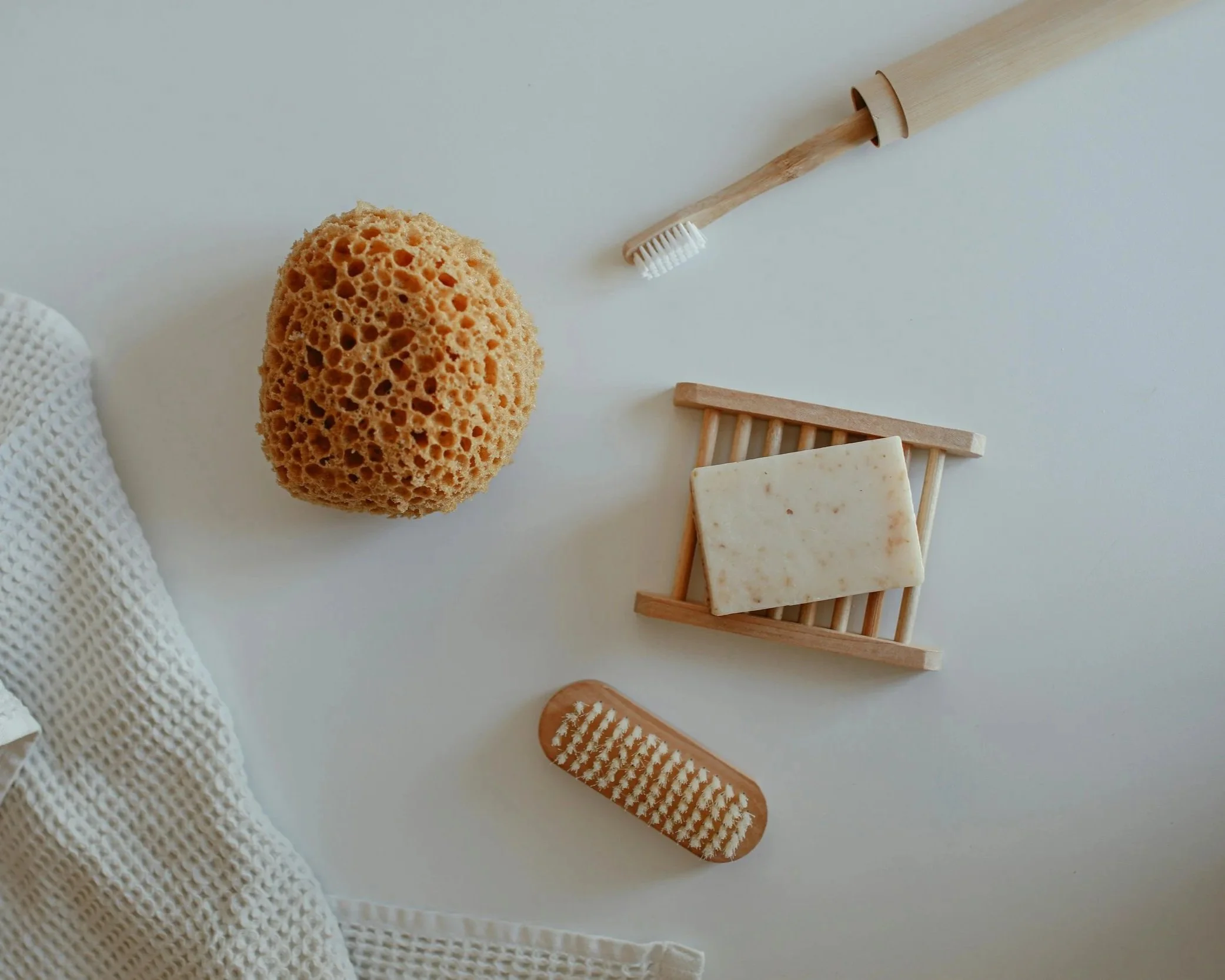
~ We recommend using a soap dish with ridges or drainage holes to prevent water from collecting underneath the soap. Proper drainage allows the bar to dry between uses and helps it last much longer.
~ If your soap is left sitting in water, it will absorb the moisture, soften, and eventually become mushy.
~ Taking good care of your soap will extend its life and give you better value for money.
Shelf Life
Our soaps are preservative-free, and many of the oils used are the same natural oils commonly found in cooking. Because of this, handmade soap does have a natural shelf life.
For the best fragrance and overall quality, we recommend using your soap within 12 months of purchase.
After this time, the soap will still cleanse perfectly well, however the scent and colour may gradually fade over time.
Storing Your Soap for Future Use
~ When storing handmade soap for future use, avoid sealed containers, airtight tubs, or zip-lock bags. Soap needs airflow to remain fresh and firm.
~ Store unused soaps in a cool, dry place away from direct sunlight and humidity.
~ Great storage options include:
Open cardboard boxes
Linen cupboards
Clothing drawers
Open shelving
Breathable baskets or wooden crates
Bakery trays or ventilated storage trays
Paper wrapping such as tissue or kraft paper
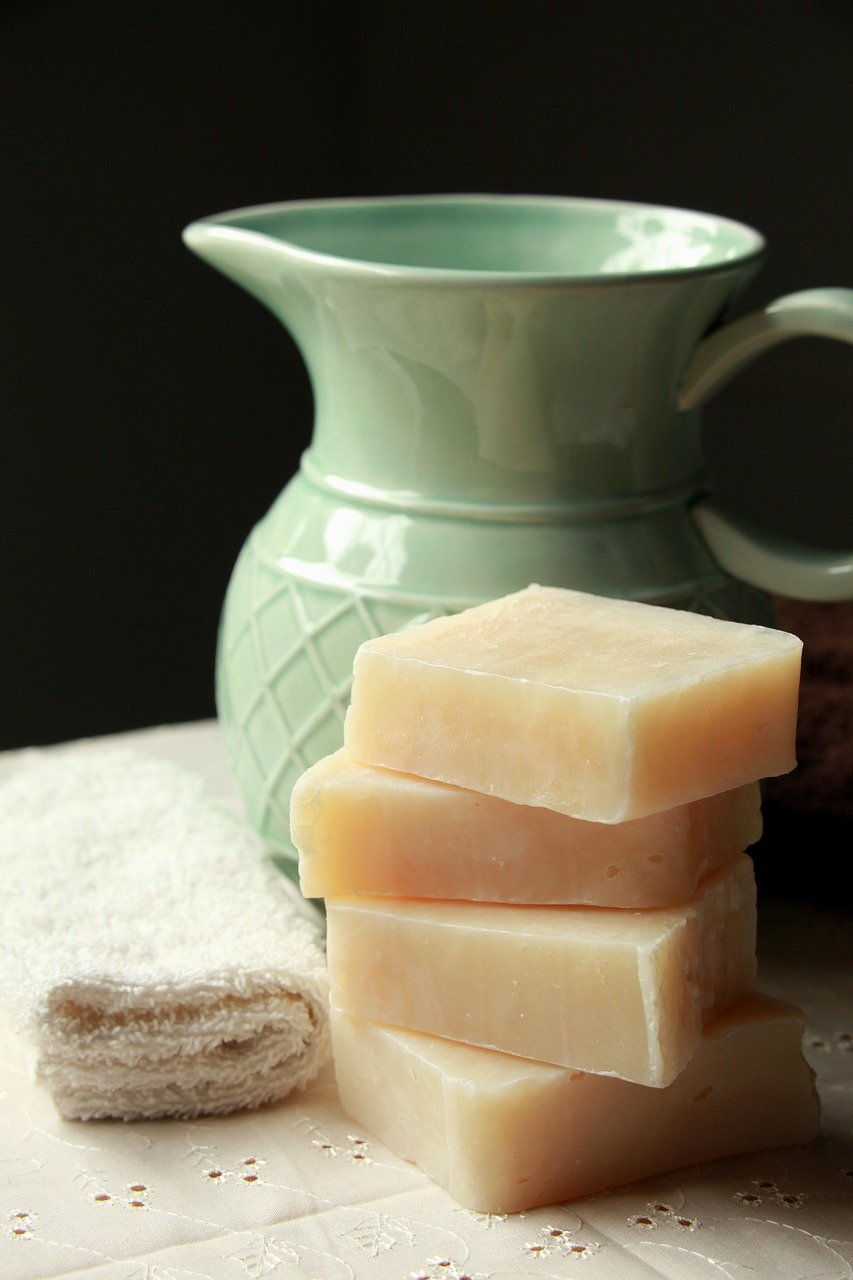
~ If storing multiple bars together, it is helpful to place paper between layers or keep soaps loosely arranged so that air can circulate around them.
~ Handmade soaps naturally contain glycerine, which is wonderful for the skin but also attracts moisture from the air. Proper ventilation helps prevent the soap from becoming soft.
~ Storing soap in a linen closet or clothes drawer is a lovely option, as the soaps will gently fragrance your linens and clothing.
~ Interestingly, well-stored handmade soap can continue to cure and harden over time, which often results in a longer-lasting bar when eventually used.